Begin with the Lafayette building, material, and visible result
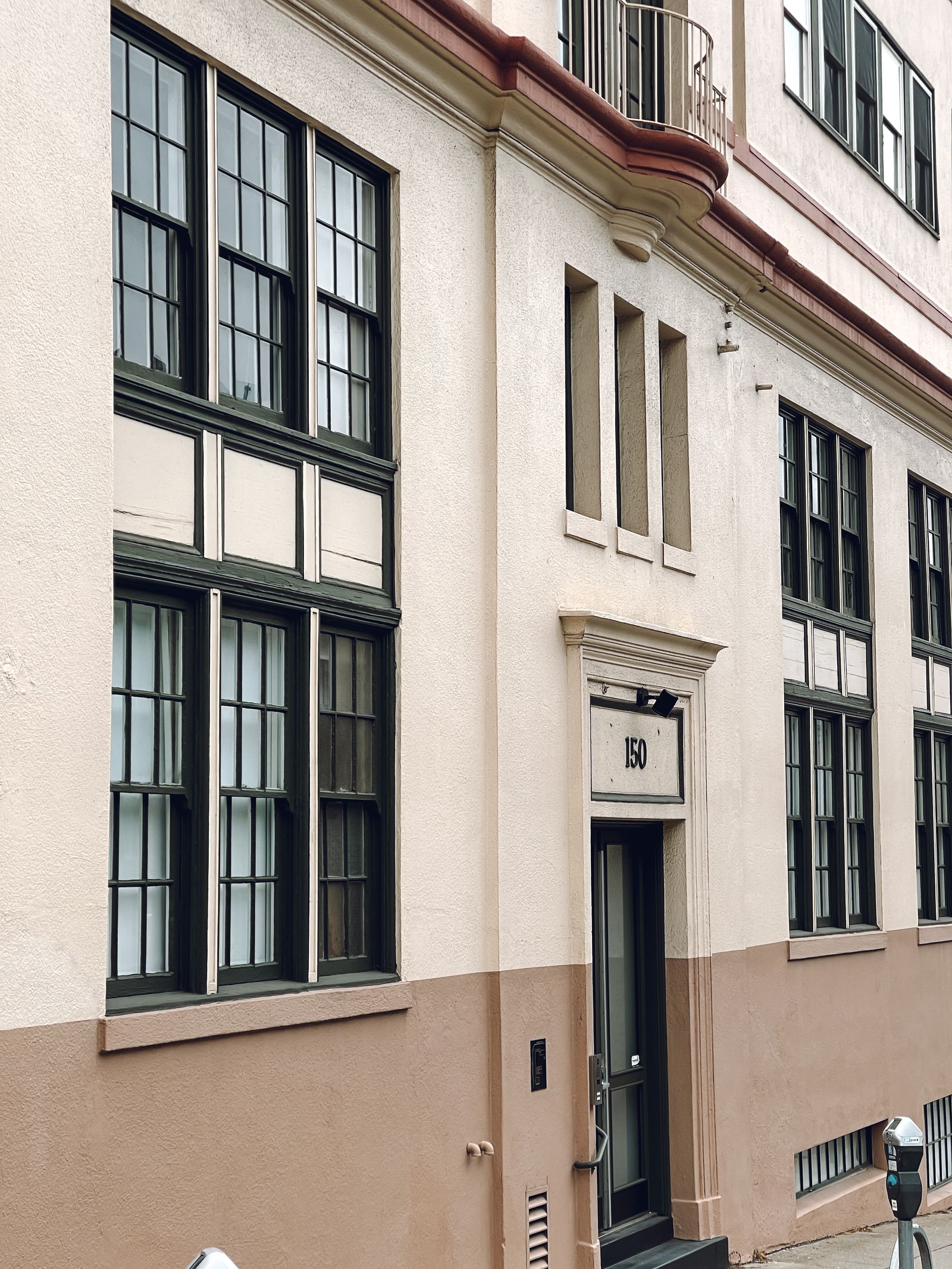
A commercial exterior does more than frame a building. It is the approach patients see at a medical office, the storefront customers pass on Johnston Street, the entry tenants use in River Ranch, and the first impression a visitor forms downtown. Brick, mortar, painted block, precast concrete, stucco, EIFS, metal panels, glass, stone, canopies, awnings, and older repairs may all share one elevation. A single pressure setting or a generic promise can overlook those differences. The quote should identify priority elevations, tested materials, likely deposits, access assumptions, and the finish the owner will use to judge the work.
Soft washing may fit compatible algae-like growth, mildew-like staining, pollen, bird residue, and ordinary atmospheric film when chemistry, dwell time, pressure, rinse, and protection are controlled. It is not a repair for failed sealants, open mortar, cracked concrete, spalling, corrosion, leaking roof edges, damaged coatings, or moisture inside a wall assembly. A dark band may be organic growth, mineral residue, oxidation, exhaust film, storm sediment, or a drainage problem. A test area and dry-down can separate a realistic cleaning result from restoration or repair work.
- Separate brick, mortar, concrete, glass, metal, EIFS, stucco, coated, and repaired zones.
- Identify whether the goal is an entrance reset, a tenant turnover, phased work, or recurring care.
- Distinguish organic film from minerals, oxidation, traffic film, storm residue, and water streaks.
- Keep repair, restoration, coating replacement, and envelope investigation outside routine washing.
Make the plan fit downtown, River Ranch, and Johnston Street
Downtown Lafayette properties can place offices, restaurants, hotels, civic uses, and event activity close to sidewalks, curb parking, and active entrances. A narrow work zone may need phased elevations, a spotter, and a clear handback standard. River Ranch properties may combine offices, residences, restaurants, retail, landscaped walkways, patios, and shared parking. The crew may need to coordinate around dining, deliveries, residents, bicycles, and pedestrian routes. Along Johnston Street, retail centers, banks, medical offices, restaurants, and professional buildings often share drive aisles, monument signs, customer parking, and multiple tenant doors. A good scope describes how the business stays usable while the work moves.
Before scheduling, identify patient drop-off, accessible routes, tenant hours, employee entrances, loading windows, outdoor seating, delivery lanes, security rules, parking restrictions, event dates, and the person authorized to pause work. A medical or dental office may need its front door and accessible route available throughout the shift. A retailer may prefer an early window before opening. A restaurant may need its patio, kitchen intake, and delivery path protected. Phasing one elevation at a time can keep priority access open, but the actual sequence should follow the site rather than an assumption.
Account for Acadiana humidity, heat, storms, and drainage
Lafayette's warm, humid conditions can leave shaded masonry, covered walkways, landscaped edges, and downspout zones damp longer than exposed walls. Heat changes surface temperature, worker exposure, drying, and dwell time. Rain and wind can carry pollen, leaves, sediment, and traffic film down a facade. Storms can also change footing, visibility, public movement, and runoff in a short period. One property may have a shaded tree-side wall, a hot parking-lot elevation, and a storm-facing entry that should not be treated as one identical surface.
Drainage deserves attention before a crew starts. Lafayette's stormwater planning recognizes engineered drainage and the importance of keeping water moving through the site. A recurring streak below a parapet, gutter, planter, or downspout may return after cleaning because of a roof-edge or drainage condition. The field plan should locate low points, inlets, slopes, landscaping, doors, and neighboring property boundaries. Water-management assumptions should be stated clearly, and the work should pause if weather or observed flow no longer supports control. The closeout should note completed areas, remaining deposits, and visible conditions that need another trade.
- Review shaded walls, roof edges, gutters, downspouts, planters, and storm-facing elevations.
- Plan around heat, humidity, rain, lightning, wind, surface moisture, footing, and drying.
- Treat recurring water marks as a possible drainage or envelope issue, not an automatic call for stronger pressure.
- Agree on weather pauses, runoff controls, and rescheduling triggers before setup.
Protect occupied sites, plants, equipment, and public routes
An occupied Lafayette property needs a work-zone plan that is as specific as the cleaning method. Map doors, accessible paths, fire and emergency access, air intakes, electrical equipment, cameras, vehicles, landscaping, patios, storm inlets, and hose routes. Downtown sidewalks and River Ranch walkways may need barriers and a spotter. Johnston Street drive aisles can change with customer traffic and deliveries. Medical and office corridors may require quiet periods, patient privacy, and a direct communication path to facilities staff. Industrial sites may add gates, forklifts, trailers, dust, shift changes, and sensitive production areas.
Water management depends on the product, soil removed, rinse volume, slope, receiving system, landscaping, and applicable requirements. A visible inlet is not automatic permission for treated water or sediment to enter it. Depending on the site, controls may include diversion, collection, recovery, reduced rinse volume, filtration, plant protection, disposal, or coordination with the responsible authority. Louisiana DEQ identifies LPDES and stormwater permitting requirements for certain discharges and activities; the property owner and contractor should determine what applies to the actual work. The quote should state assumptions and the stop condition if site flow differs from the review.
Use aerial assistance only when the Lafayette site supports it
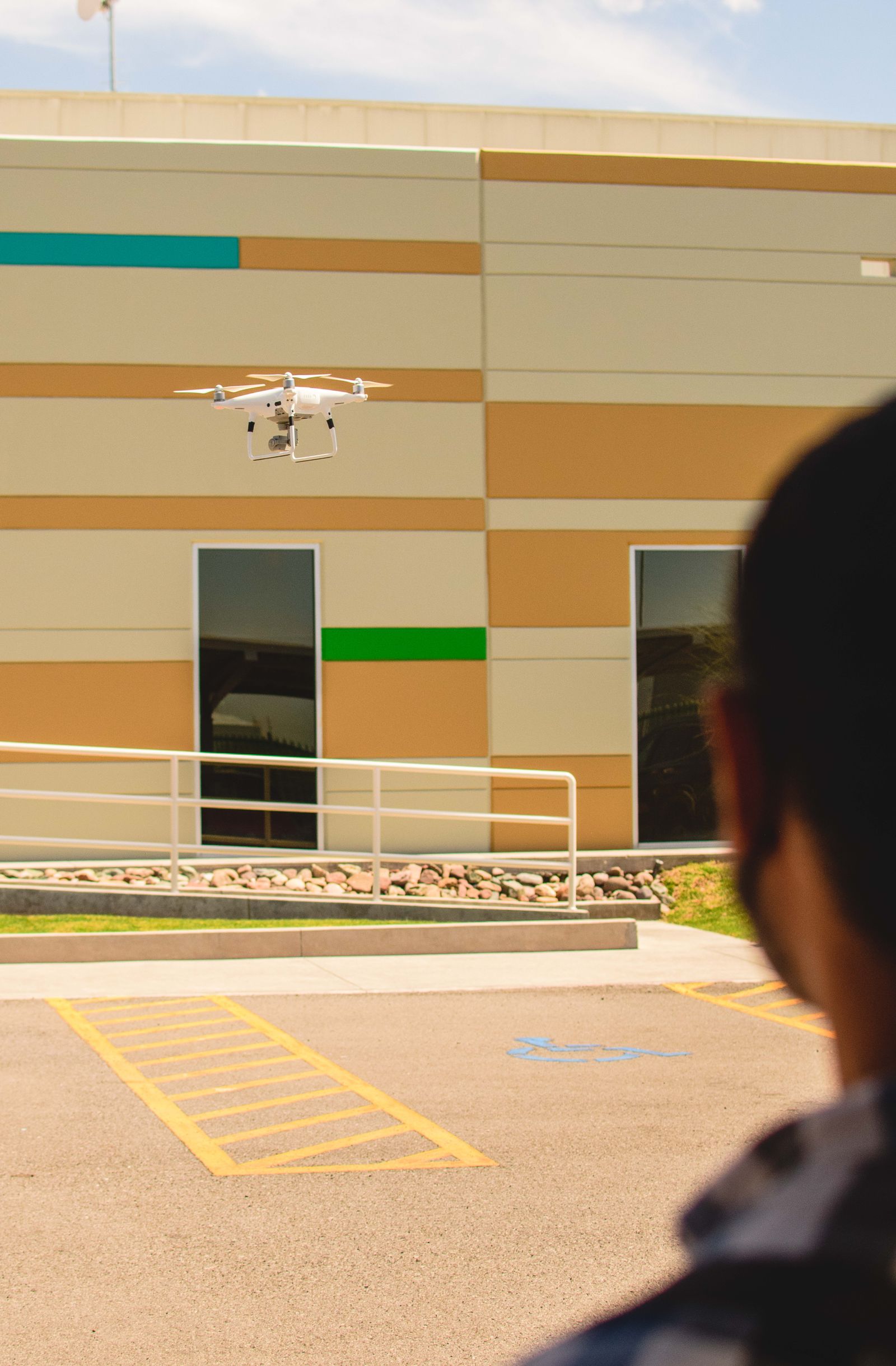
Drone-assisted application or rinsing may help a suitable broad upper elevation when wind, visual control, stand-off distance, launch and recovery space, public separation, obstacles, and water controls are workable. It may reduce some repositioning around a tall parapet or sign band. It does not replace squeegee-finish glass cleaning, scraping, contact detail, mineral removal, repair review, or a building-envelope inspection. The proposal should identify aerial zones separately from pole, lift, roof, hand, and ground work, with a fallback if conditions change.
Lafayette sites can include utility lines, trees, balconies, rooftop equipment, neighboring buildings, busy roads, and aviation considerations near Lafayette Regional Airport. Commercial drone operations must follow applicable FAA requirements and any required authorization. Property permission does not replace aviation rules or public separation. If wind, airspace, launch space, ground boundaries, or finish requirements are unsuitable, a different access method or work window is the responsible choice.
Request a quote built around the Lafayette property
A useful quote should identify materials, visible soil, included elevations, method by zone, access equipment, protection, water assumptions, operating window, weather limits, intended finish, exclusions, and closeout documentation. It should separate broad wall washing from glass detail, hard-water marks, oxidation, construction film, graffiti, canopy work, and repairs. If aerial assistance is proposed, the scope should explain where it may help and what alternative applies if wind, public movement, obstacles, airspace, or finish requirements change.
Send the Lafayette address, wide and close photos, approximate height, known materials, priority elevations, preferred dates, nearby drains, water access, and restrictions involving patients, guests, tenants, deliveries, events, security, or production. Call +1 239-351-2897, email contact@dronebuildingcleaners.com, or use the quote form to discuss a one-time presentation reset, phased commercial cleaning, or recurring exterior maintenance. The next step should match the building you operate, not a generic package.