Compare the actual tools, not just the labels
Soft washing generally combines a compatible solution, controlled dwell, and a measured rinse. It may fit algae-like growth, mildew-like staining, pollen, bird residue, and atmospheric film on selected tested materials. Lower pressure does not remove the need for accurate dilution, surface testing, plant and metal protection, air-intake review, public separation, and water management. Chemistry can affect landscaping, glazing, sealants, coatings, and nearby finishes when the application is not controlled.
Pressure washing relies more on water impact and may suit durable compatible concrete, service courts, loading aprons, curbs, or selected pavement. Too much force can etch concrete, expose aggregate, disturb mortar, lift paint, damage EIFS or stucco, move joint material, or drive water into openings. A pressure number alone does not describe nozzle, distance, flow, dwell, rinse, or surface condition. The useful question is which method belongs on which zone and what result can honestly be verified.
Match the method to Lafayette substrates and deposits
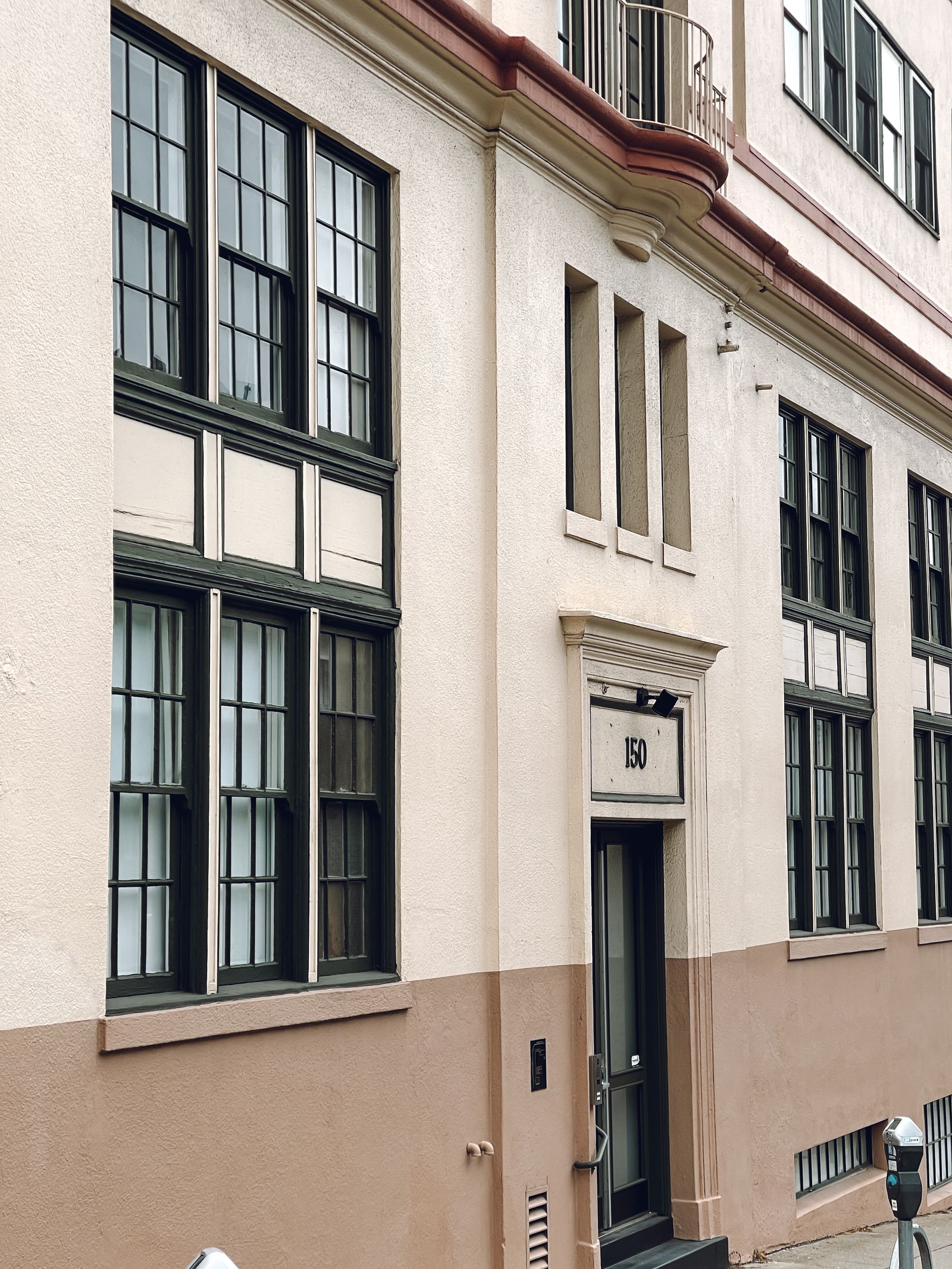
Lafayette properties commonly combine brick, mortar, concrete, glass, painted metal, stucco, EIFS, stone, panels, awnings, sealants, and patched areas. A downtown building may place older masonry next to newer storefront glazing. River Ranch may add landscaped paths, patios, and mixed-use entries. Johnston Street centers may mix glass, signs, coated panels, concrete bands, and busy customer parking. A medical or office corridor may need extra care around air intakes and patient routes. An industrial building may have a durable service side and sensitive painted offices or equipment enclosures. Material changes should change the process.
The deposit is equally important. Green or dark film on a damp shaded wall may be a candidate for tested soft washing. White crust can indicate mineral scale or efflorescence. Rust-colored bleeding may involve oxidation or a metal source. Black residue can involve traffic film, soot, or storm-borne soil. A streak below a parapet, planter, gutter, or downspout may recur because water is carrying material down the wall. Stronger pressure is not a substitute for identifying what made the mark.
- Use tested soft washing for compatible organic film when chemistry and rinse controls fit the surface.
- Use controlled pressure only on compatible durable zones with a defined nozzle, distance, flow, and finish.
- Separate mineral, oxidation, oil, paint, construction residue, graffiti, and repair conditions from routine washing.
- Expect a hybrid scope when one building contains several substrates or deposits.
Consider heat, humidity, storms, algae, and drying
Acadiana's heat and humidity can support organic-looking film on shaded walls, covered walkways, tree-side elevations, and lower areas near irrigation or roof drainage. Heat changes surface temperature and worker exposure. Humidity and shade can change drying and dwell. Heavy rain and wind can move pollen, sediment, leaves, and traffic film across the facade. The method should be selected with the weather window, not separated from it. A process that looks reasonable in a dry, calm morning may require adjustment after a storm or on a hot west-facing wall.
A quote should state what happens if rain, lightning, wind, wet surfaces, poor footing, or inadequate drying changes the plan. It should also distinguish a temporary appearance change from an ongoing source. If a wall is repeatedly streaked below a downspout or parapet, cleaning alone may not keep it presentable. Lafayette's stormwater planning and Louisiana water-permit framework are useful reminders that water movement and discharge assumptions belong in the project conversation. The crew should know where water can go, what must be protected, and when to stop.
Choose for the occupied-site schedule
The best method on paper can still be the wrong operational choice if it blocks a patient entrance, floods a retail aisle, interrupts a River Ranch patio, or conflicts with an industrial receiving window. Downtown sites may need compact barriers, pedestrian routing, and curb coordination. Johnston Street properties may need work before opening or between deliveries. Medical and office corridors may require quiet periods, accessible routes, air-intake protection, and a facilities contact. Industrial sites may require gates, forklifts, trailers, security, and shift handoffs. The proposal should explain setup, movement, communication, pause authority, and handback.
Soft washing is not automatically disruption-free, and pressure washing is not automatically faster. Both can require hose routing, barriers, protection, rinsing, drying, and public separation. A hybrid approach may reduce impact by using soft washing on a compatible upper wall, controlled pressure on a service apron, and hand detail at entries or signs. The right choice is the process the site team can execute and verify while the building continues to function.
Treat runoff and drainage as part of method selection
Runoff planning should account for the product, soil removed, rinse volume, slope, low points, storm inlets, landscaping, neighboring properties, and applicable requirements. A visible drain is not automatic permission for treated water or sediment to enter it. Depending on the site, the plan may need diversion, collection, recovery, filtration, reduced rinse volume, plant protection, disposal, or coordination with the responsible authority. Louisiana DEQ explains that LPDES permits cover certain pollutant discharges and stormwater activities, so the actual property and activity should be evaluated rather than assumed.
Drainage also helps diagnose recurring stains. A clean facade that quickly develops a dark line below a roof edge may be showing a gutter, downspout, flashing, or slope issue. That condition should be documented and directed to the appropriate building professional. The cleaning quote should say what is included, what is observed but excluded, what controls are assumed, and what happens if field conditions differ. This protects the owner from comparing a method by appearance alone.
Ask what aerial assistance can and cannot do
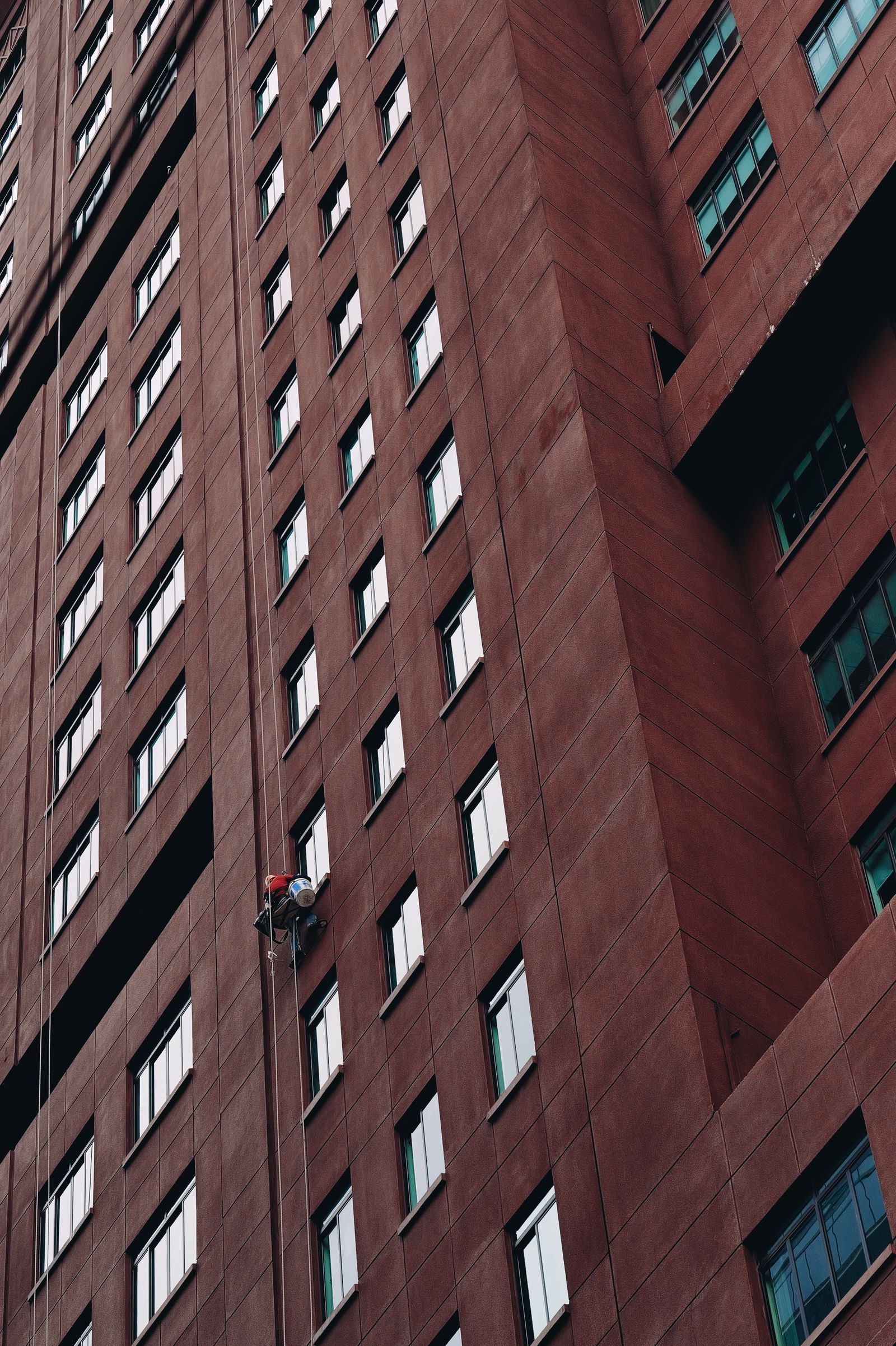
Drone assistance may help selected broad upper elevations when wind, visual control, stand-off, launch and recovery space, public separation, obstacles, and water management are suitable. It does not provide squeegee-finish glass, scrape bonded deposits, repair failed joints, confirm concealed damage, or replace close contact detail. Near Lafayette Regional Airport or a busy occupied site, applicable FAA requirements, airspace, people, utilities, and ground controls need review. A quote should identify aerial areas separately and state the fallback method if the conditions do not support them.
This distinction matters when comparing proposals. An aerial tool can change access and setup, but it does not change the chemistry needed for the deposit or make a sensitive material durable. Ask which elevations still need a pole, lift, roof access, hand work, or another specialist. A clear access plan is more useful than a novelty claim.
Use a Lafayette comparison checklist before approving work
Ask each bidder to describe the material and deposit assessment, method by elevation, expected improvement, test-area process, access plan, occupied-site controls, weather pauses, drainage and runoff assumptions, inclusions, exclusions, repair concerns, documentation, and closeout. Request a clear answer for the areas customers see first: the downtown entry, River Ranch storefront or office face, Johnston Street sign band, medical entrance, or industrial front elevation. Then compare the operating plan as carefully as the equipment list.
Send the address, wide and close photos, approximate height, materials if known, priority elevations, preferred dates, water access, nearby drains, and restrictions involving patients, tenants, customers, deliveries, events, security, or production. Call +1 239-351-2897, email contact@dronebuildingcleaners.com, or use the quote form to request a Lafayette recommendation. The outcome should be a method-by-zone scope with a realistic finish, not a blanket promise that every mark will disappear.